
The Future of Unified Game Rulebooks
How BRCC and CMCC Are Shaping Next-Gen Game Development

The Future of Unified Game Rulebooks
Abstract
In this episode, we explore how unified, centralized rulebooks—driven by the Business Rule Completeness Conjecture (BRCC) and the Conceptual Model Completeness Conjecture (CMCC)—enable frictionless development, real-time balance updates, and transparent monetization strategies. By separating a game’s core logic from its implementation, we reveal how the single-source-of-truth (SSoT) approach is fundamentally reshaping the workflow for developers, designers, and live ops teams alike.
Zero-to-Sixty Podcast Summary Webpage
The Future of Unified Game Rulebooks
Chapters
-
Introduction to SSoT Protocols
-
A quick overview of why single-source-of-truth frameworks are being hailed as the next big thing in game development, replacing scattered spreadsheets and hardcoded logic.
-
BRCC & CMCC Basics
-
We define the key principles behind the Business Rule Completeness Conjecture and the Conceptual Model Completeness Conjecture, highlighting how they ensure total expressiveness for game mechanics.
-
Disrupting Development Pipelines
-
How a unified rulebook approach cuts down on code bloat, reduces QA overhead, and aligns design teams with developers—so everyone speaks the same “language.”
-
Live Ops & Monetization
-
An in-depth look at how these protocols enable faster event rollouts, real-time economy tweaks, and more player-friendly monetization without guesswork or patch churn.
-
Balancing & AI-Driven Content
-
We dive into automated tuning, procedural generation, and AI content creation—all powered by the same robust rule framework, ensuring consistency and fairness.
-
Ethical & Regulatory Compliance
-
BRCC/CMCC frameworks make it easier to expose odds, meet legal requirements, and maintain an ethical balance—pleasing regulators and players alike.
-
Stakeholder Perspectives
-
Designers, engineers, QA testers, managers, and even marketing teams all benefit differently from this single source of truth, leading to more harmonious collaboration and streamlined workflows.
-
Implementation Roadblocks
-
We address the potential hurdles—performance, version control, cultural resistance—and offer strategies for phased adoption and proof-of-concept trials.
Executive Summary
Game development historically suffers from fragmented data sources—design docs, code constants, multiple spreadsheets—and endless friction between teams. This podcast delves into how the Business Rule Completeness Conjecture (BRCC) and the Conceptual Model Completeness Conjecture (CMCC) unite to provide a single, declarative rulebook for every aspect of a game’s mechanics and economy.
By placing all rules—combat math, item attributes, quest logic, monetization parameters—into one shared database, teams can quickly iterate, see live metrics, and patch the game on the fly. Designers get more creative freedom to experiment, while engineers focus on robust frameworks rather than rewriting logic. Live ops teams roll out new events or balance changes at will, with minimal risk of breaking existing features. Even ethical and legal compliance becomes straightforward when critical data is in a transparent, traceable system.
In the end, a “source-of-truth” pipeline not only streamlines collaboration; it forms the basis for AI-driven content creation and dynamic difficulty adjustments. This future of rulebook-centric design holds the promise of drastically reducing overhead, improving game quality, and fostering a more open, trust-based relationship with players.
DALL·E Image Prompt
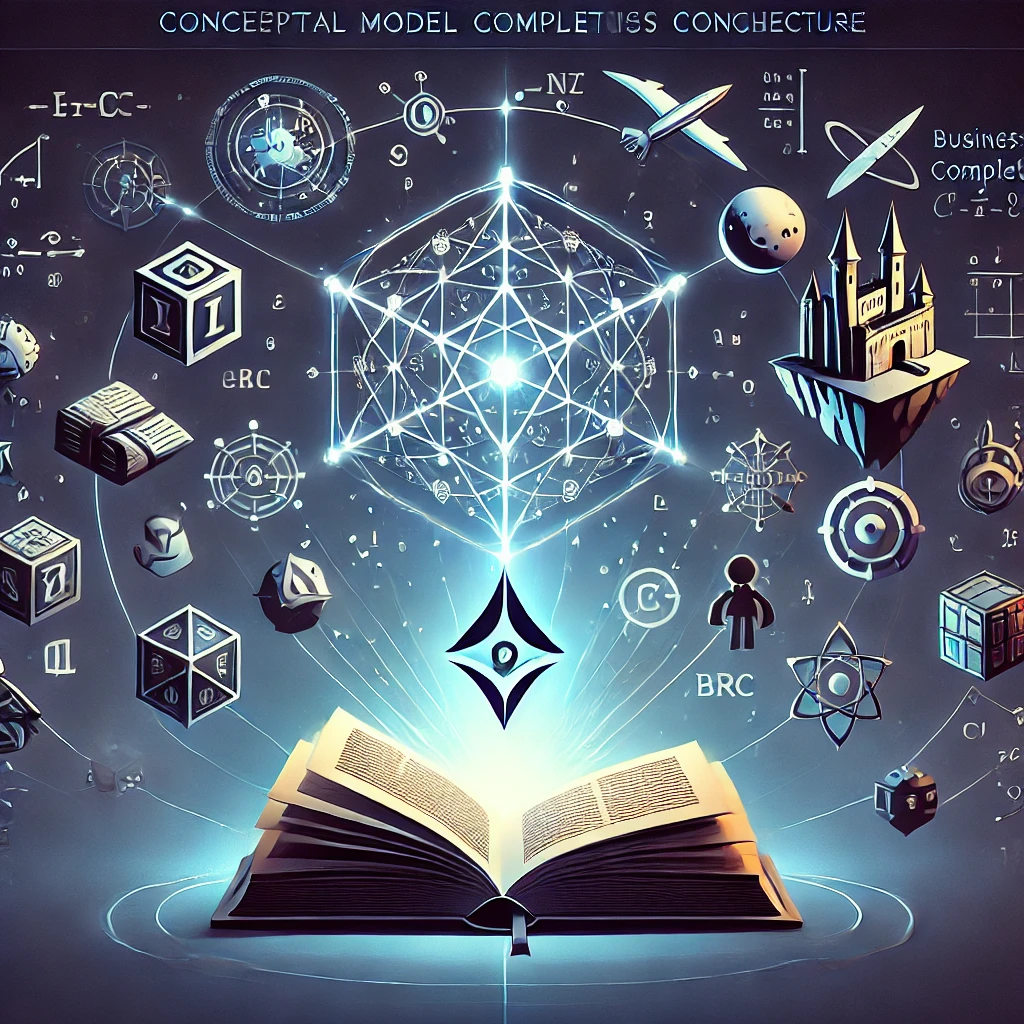
“Draw a stylized podcast icon that represents a unified rulebook powering multiple game worlds—from fantasy RPGs to futuristic shooters—connected by a single source of truth. The artwork should incorporate subtle references to mathematical formulas and network links, symbolizing BRCC, CMCC, and next-gen game development.”